Managing Mental Health While Cosplaying: A Therapist’s Guide to Enjoying Creativity Without Burnout
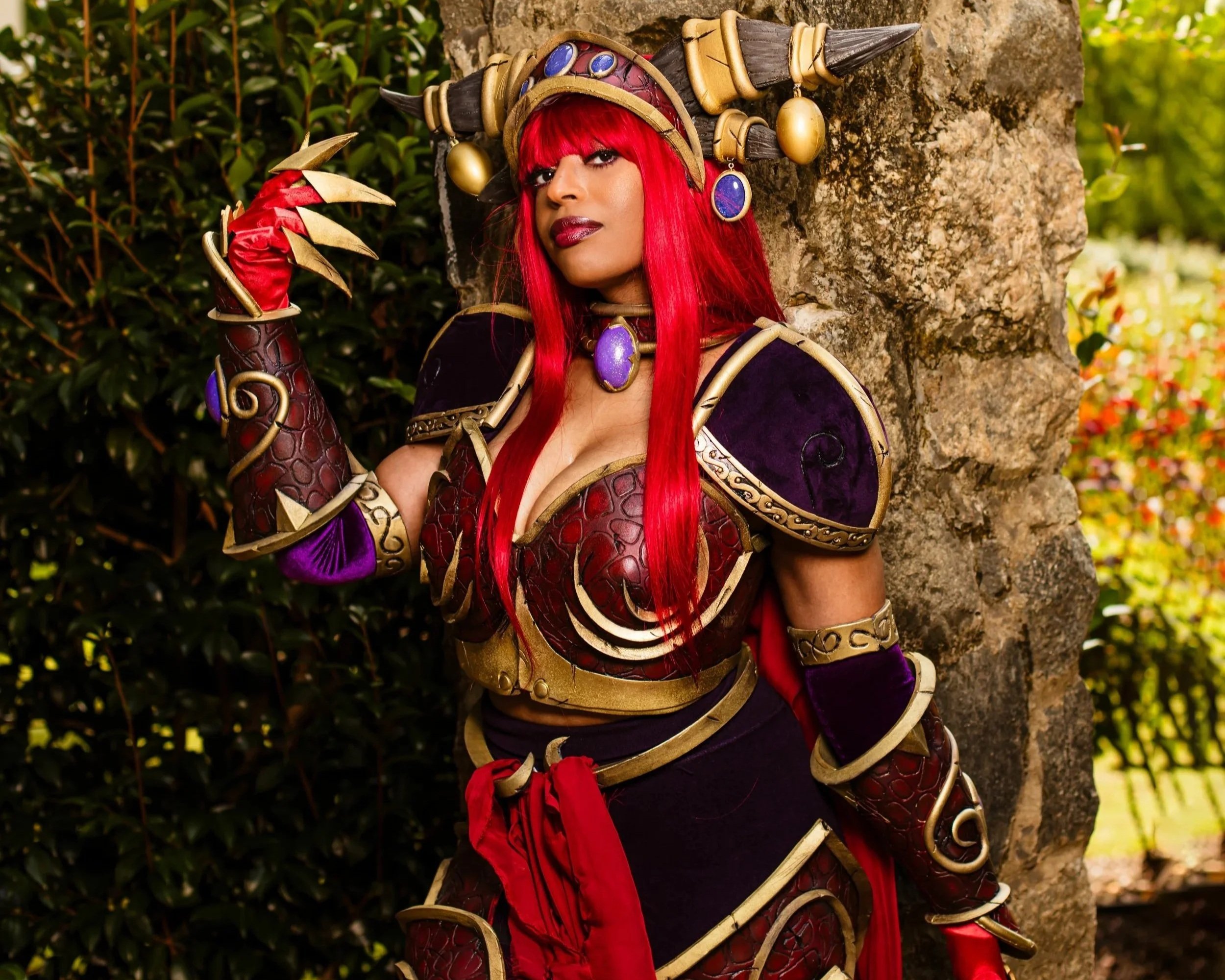
Few moments are as exciting as putting the finishing touches on a cosplay and seeing the character finally come to life!
Then comes the moment of looking in the mirror or sharing a photo online. Suddenly, excitement gives way to self-doubt.
Is the costume accurate enough? Will people judge how it looks?
Something that began as a joyful creative outlet may quickly become a source of stress.
While cosplay is often celebrated for its creativity and self-expression, it can also bring up anxiety and self-criticism. Understanding the connection between cosplay mental health and emotional well-being can help cosplayers protect their enjoyment of the hobby while building resilience against outside pressures.
This guide explores common mental health challenges within cosplay spaces, why they happen, and practical ways to stay grounded while continuing to enjoy the creative process.
Why Creative Spaces Can Trigger Stress
Creative hobbies often involve sharing something deeply personal with others. Whether someone is wearing a costume at a convention or posting photos online, cosplay places creativity, identity, and vulnerability on display.
Because of that, feedback, whether positive or negative, can feel especially meaningful.
Feeling nervous about being seen or evaluated does not mean someone is “too sensitive.” These reactions are a normal part of human psychology. Creative expression can bring tremendous joy while also increasing awareness of comparison, criticism, or rejection.
Depending on the environment and a person’s mindset, the same cosplay experience can feel empowering one day and emotionally challenging the next.
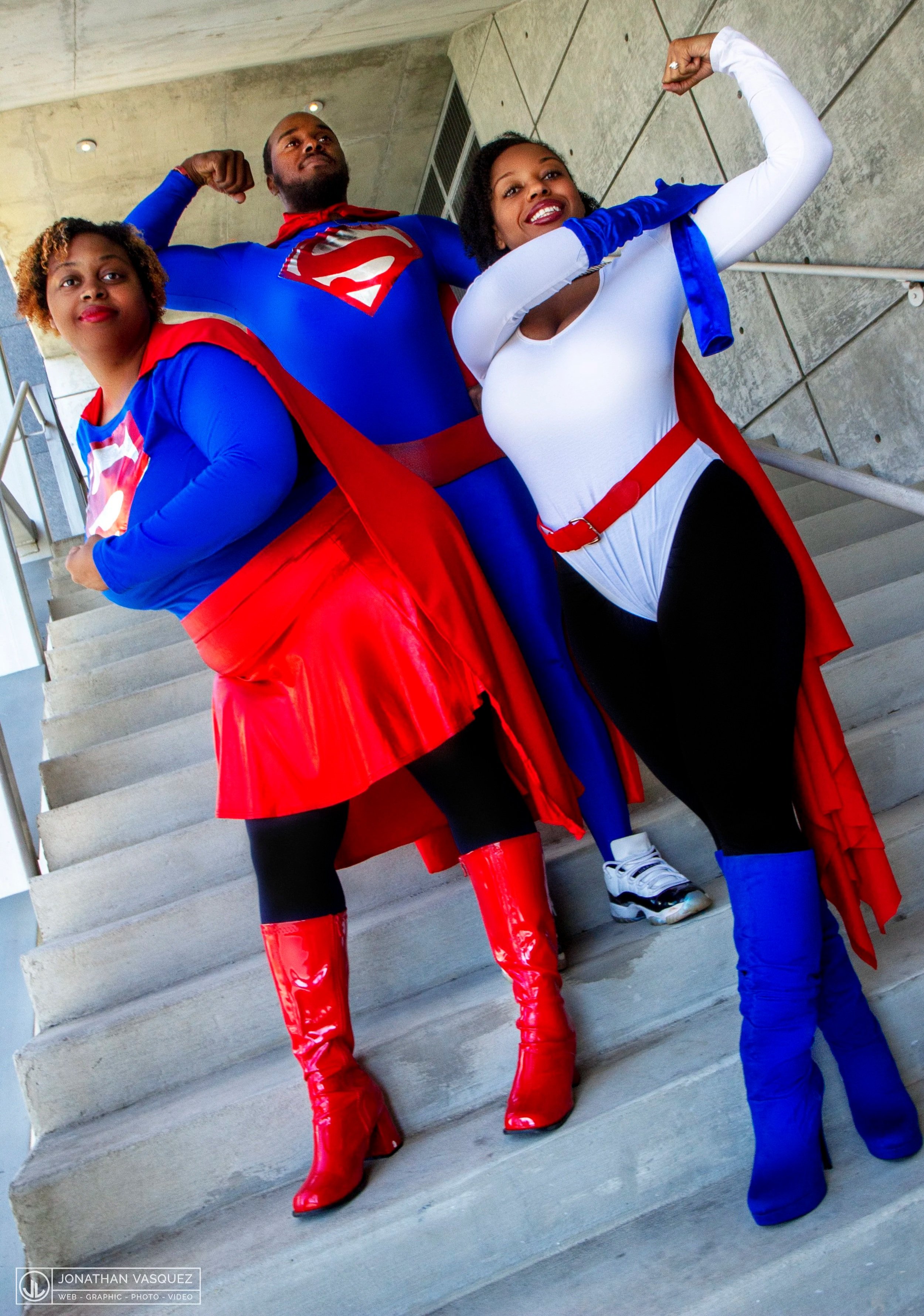
As a cosplayer myself, I know how vulnerable it can feel to share something you created with the world.
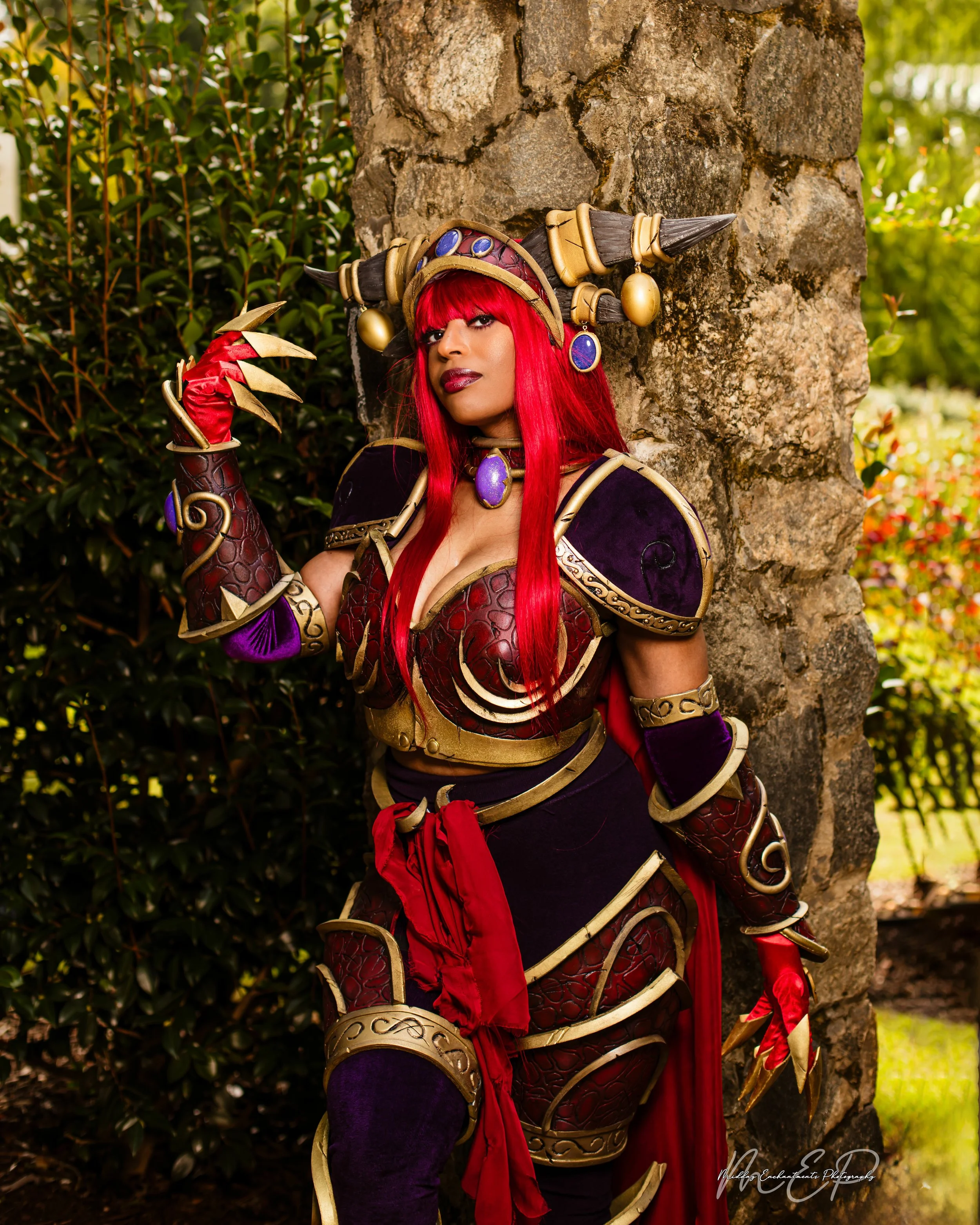
In this article’s spirit of sharing and self-expression, you’ll get no stock photos here.
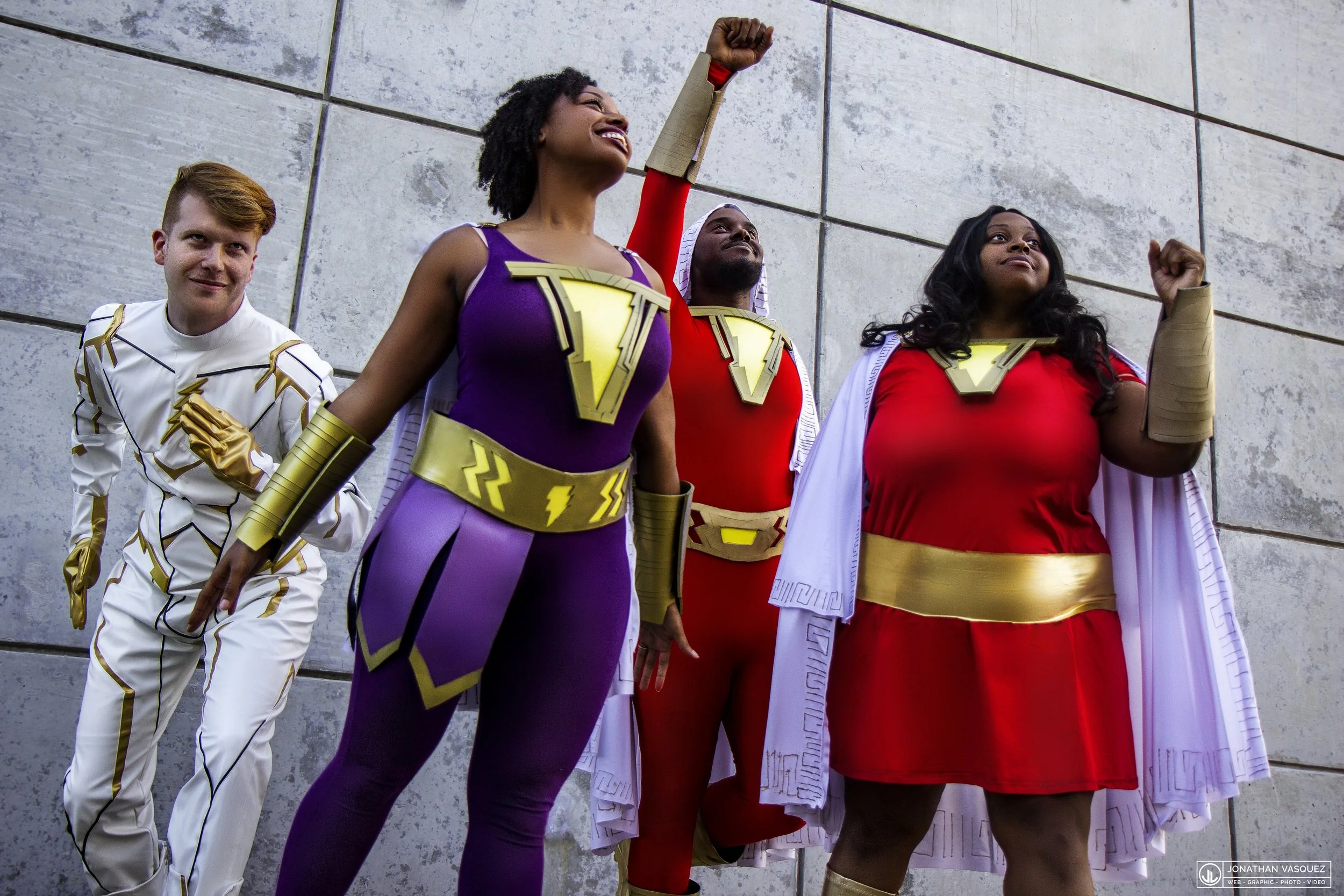
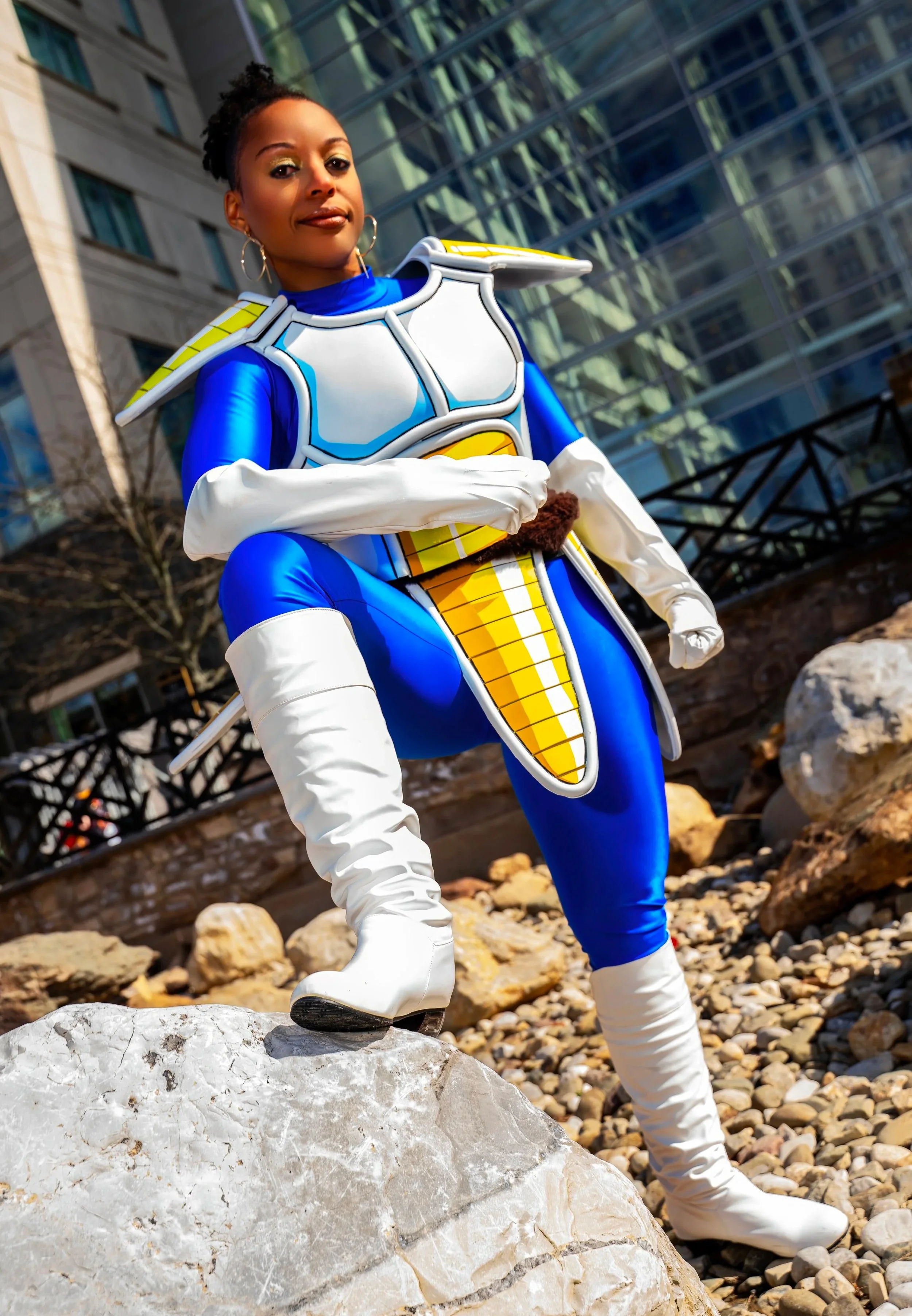
This is me, along with a couple of friends, at a recent convention in my hometown. We’re in the other photos throughout the article, too.
I always encourage my fellow cosplayers (and myself) to celebrate the characters we love.
Now, I encourage you: “Wear those outfits! Post those photos!”
Common Mental Health Challenges in Cosplay Spaces
Every cosplayer’s experience is unique, but several common stress patterns appear throughout the community.
1. Gatekeeping and Imposter Syndrome
Some cosplayers encounter comments suggesting they are “not a real fan” or that their costume is not accurate enough. These experiences can contribute to imposter syndrome, making people question whether they truly belong in the community.
Over time, this can fuel cosplay anxiety, increase self-doubt, and shift the focus away from creativity. Instead of enjoying the process, cosplay may begin to feel like something that has to be proven or perfected.
READ NEXT: What Is Imposter Syndrome? (And Why So Many Experience It)
2. Body Image and Appearance Pressure
Many fictional characters have exaggerated or unrealistic body proportions, making comparison almost inevitable. Comments about weight, height, or appearance can further intensify these feelings.
These experiences can amplify body image cosplay concerns, contributing to body shame, reduced confidence, and even avoidance of conventions or sharing photos online. Some individuals also experience social anxiety cosplay situations, worrying that others are constantly evaluating how they look.
The reality is that there is no required body type for cosplay. Creativity and passion are not determined by appearance.
3. Racism, Representation, and Identity Stress
Some cosplayers encounter criticism based on race or are told they should only portray characters who “match” their appearance. Others may struggle to find representation within certain fandoms or feel excluded from community spaces.
For individuals with marginalized identities, these experiences may overlap with discrimination related to gender identity, disability, body size, or other aspects of identity. These stressors are real and can contribute to feelings of isolation, identity-related stress, and not belonging.
Everyone deserves to participate in creative communities without having their identity questioned or diminished.
4. Social Media Pressure and Comparison
Social media offers opportunities to connect with fellow fans, showcase creativity, and celebrate accomplishments. However, it can also encourage constant comparison.
Seeing polished costumes, professional photography, or large follower counts may create pressure to achieve perfection. Over time, comparison can contribute to burnout and reduce your enjoyment of the creative process.
It helps to remember that social media typically reflects a carefully curated highlight reel rather than the full experience, including mistakes, revisions, or unfinished projects.
5. Online Harassment and Negative Feedback
Unfortunately, online harassment, trolling, and unnecessarily harsh criticism remain realities in many online spaces. Negative comments can linger long after they are posted, affecting confidence and increasing anxiety.
Not all feedback deserves equal weight. While constructive suggestions may support growth, personal attacks or harassment rarely reflect the value of someone’s creativity or effort.
How to Protect Your Mental Health While Cosplaying
Human beings are naturally wired to seek connection and approval. When creative work is shared publicly, negative feedback can activate the brain’s threat response, making criticism feel deeply personal. Often, the challenge is not cosplay itself, but the way outside opinions interact with existing beliefs about self-worth, perfectionism, or belonging.
A few intentional habits can help protect your mental health while continuing to enjoy cosplay:
Reframe negative thoughts. Notice automatic thoughts such as “My cosplay is bad.” Try replacing them with a more balanced perspective: “One person didn’t like it. That doesn’t define my effort, creativity, or the enjoyment I found in making it.”
Set boundaries with online spaces. Curate social media feeds, limit exposure to accounts that trigger comparison, and use blocking or filtering tools when needed. Protecting emotional well-being is a healthy boundary, not an overreaction.
Reduce comparison. Every cosplayer has different resources, budgets, skills, and experience levels. Comparing one person’s beginning to another person’s years of practice rarely provides an accurate picture.
Reconnect with your original motivation. Ask yourself why you started cosplaying in the first place. For many people, the answer is creativity, love for favorite characters, community, or simple fun. Keeping those motivations at the center can prevent external expectations from replacing internal satisfaction.
When Support Can Help
If cosplay-related stress begins to extend beyond occasional nerves and develops into persistent anxiety, avoidance, or ongoing self-doubt, it may reflect broader emotional patterns worth exploring.
Therapy can provide support for concerns such as:
Social anxiety
Body image concerns
Self-esteem and identity
Emotional regulation and coping with criticism
Rather than giving up an activity that brings joy, therapy can help people develop healthier ways to engage with it.
Whether a costume is handmade, purchased, screen-accurate, or entirely original, it can still be a meaningful form of self-expression. Protecting that sense of joy is just as important as perfecting the costume itself.
If you’re navigating anxiety related to social spaces, creativity, or identity, you are welcome to schedule a free consultation. Therapy can provide practical tools and compassionate support to help you feel more confident, grounded, and able to enjoy the activities that matter most.
Schedule your free consultation here.

Interested in learning more? Sign up for a free 15-minute consultation here.