Does the workload at your job seem heavier than it used to, or do the tasks you once enjoyed feel draining? Maybe anxiety creeps into your relaxing Sunday afternoons (the “Sunday Scaries”) like clockwork when you turn your mind toward the workweek ahead?
You might know, deep down, that something needs to change, that you are burned out, yet the idea of talking to your boss about how you’re really doing can feel overwhelming.

Many adults who experience burnout at work share the same worries:
Will I look weak or incapable?
Will this affect my job or long-term career?
What if my supervisor or manager doesn’t understand — or worse, reacts negatively?
These fears make sense. Work is tied to stability, identity, and security, and opening up about stress can feel risky. But burnout isn’t a personal failure or a lack of resilience. It’s a very human response to prolonged stress, pressure, and imbalance.
In this post, we’ll explore what burnout is, how to recognize the signs of burnout, and how to thoughtfully prepare for a conversation with your boss, at a pace and level of disclosure that feels right for you.
What Is Burnout? (It’s More Than Just Stress)
So, what is burnout? In simple terms, burnout develops when ongoing stress isn’t given enough time, support, or space for recovery. While everyday stress can be uncomfortable, it often comes and goes. Chronic stress, on the other hand, keeps your nervous system activated for long periods, eventually leading to depletion.
This type of stress is different from a tough week or a temporary spike in workload. It tends to unfold over time, often in three broad stages of burnout:
Emotional exhaustion: Feeling mentally and physically drained, even after rest.
Cynicism or detachment: Pulling back emotionally from your job, coworkers, or responsibilities.
Reduced sense of accomplishment: Feeling ineffective, unmotivated, or like your efforts don’t matter.
Burnout can happen in any job or career. It’s especially common in roles with high responsibility, emotional labor, or limited control, but no profession is immune.
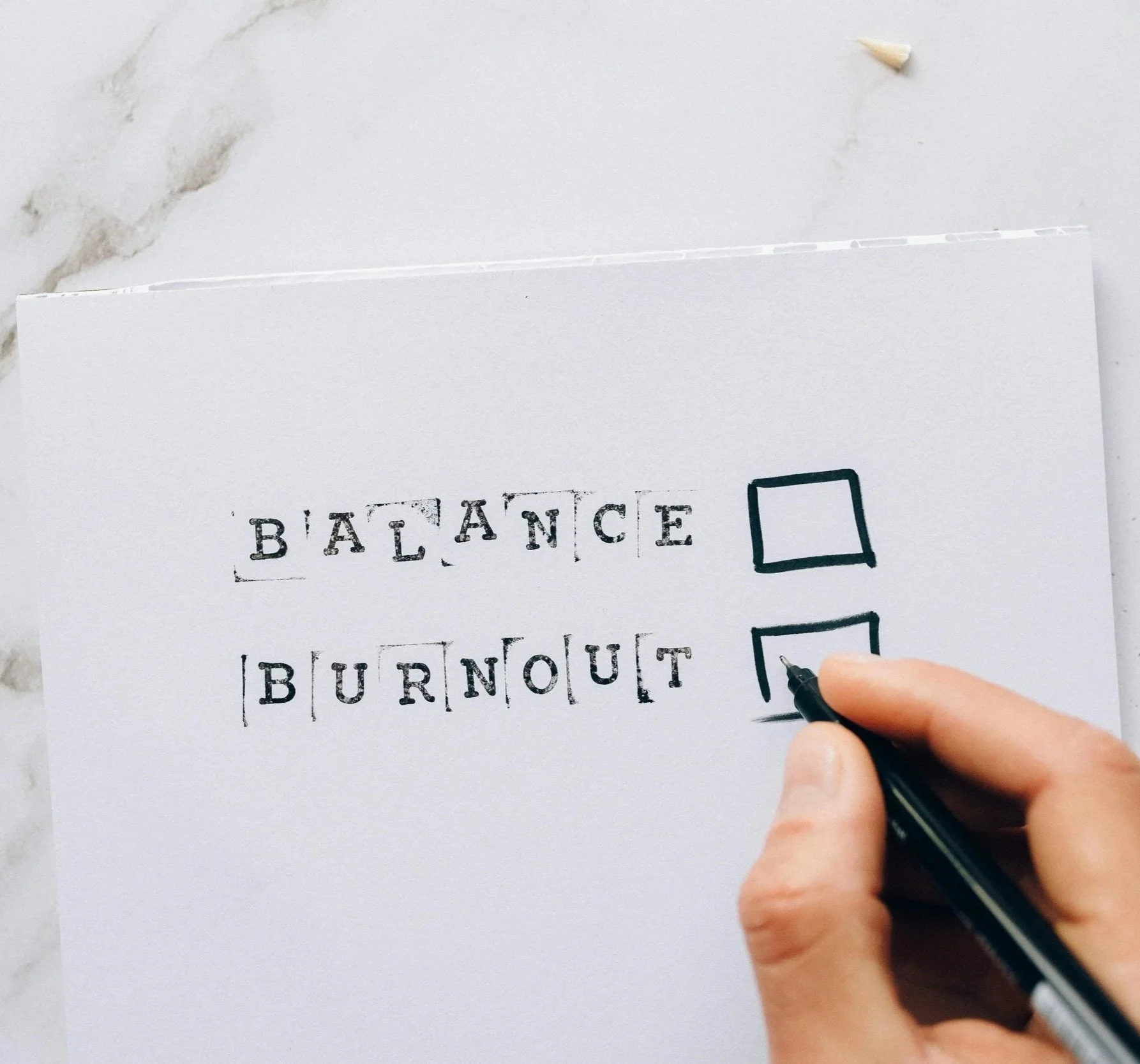
Signs of Burnout at Work
Chronic stress doesn’t look the same for everyone.
Common signs of burnout include:
Constant fatigue, even after sleep or time off
Increased irritability, frustration or emotional numbness
Trouble concentrating, remembering details or staying motivated
Dreading work or feeling disconnected from your role
Physical symptoms such as headaches, muscle tension, digestive issues or sleep disruptions
Catching these signs early matters. Awareness is a form of stress management — it gives you more options before burnout deepens.
READ NEXT: Cortisol and Mental Health: What to Know About the “Stress Hormone”
Do You Need to Talk to Your Boss?
Not everyone needs or wants to disclose burnout at work, and that’s okay. Talking to your boss, supervisor, or manager is a personal decision, not an obligation.
If you decide to reach out to your boss, it may be helpful to reflect on what you’re actually seeking. For example:
Are you hoping for time off for burnout, a chance to rest and reset?
Would a reduced workload, flexibility, or temporary accommodations make work more sustainable?
Do you want to have a conversation about longer-term balance?
You don’t need to overshare personal details or emotions to advocate for your well-being.
From a therapist’s perspective, this conversation is about communication and boundaries, not confession. You’re allowed to ask for what you need in order to function well at your job.
How to Prepare for the Conversation

Preparation can make this conversation feel less daunting.
Before meeting with your boss, it can help to identify specific stressors that are affecting your job performance, rather than focusing on burnout as a label.
Clarify what would genuinely help — whether that’s time off, adjusted hours, or additional support — and choose a time to talk when things aren’t already at peak stress.
Grounding yourself beforehand can also support nervous system regulation. Simple practices like slow breathing, writing down key points, or practicing what you want to say can help you stay centered.
When you do have the conversation, a few guiding principles can help:
Be honest but concise. You can name stress as a factor without sharing everything.
Stay solution-focused. Frame the conversation around what would help you do your work more sustainably.
Avoid apologizing for having limits. Needing support doesn’t mean you’re failing.
It’s also important to acknowledge reality: not every workplace can respond ideally. Some managers are supportive, while others may be constrained or less understanding.
If meaningful changes aren’t possible right now and leaving your job isn’t an option, support outside of work still matters. Remember, burnout is a signal, not something to push through indefinitely.
Short-term coping strategies, micro-boundaries during the workday (like protected breaks or clearer start/stop times), and therapy-based stress management tools can all help reduce ongoing strain.
Burnout doesn’t mean you’re bad at your job or incapable in your career. It means your nervous system has been carrying too much for too long and needs support. Listening to that signal early can protect both your well-being and your ability to keep showing up in meaningful ways. And you don’t have to navigate it alone.

Ready to Take Your Calm Back?
If work stress or burnout feels overwhelming, Building Resilience Counseling Services offers compassionate, professional support. We help working adults build tools for stress management, emotional awareness, boundaries, and nervous system regulation, including support around navigating burnout at work.
You’re invited to schedule a free consultation to explore what support could look like for you.
And check out our FAQs here, including info about using your health insurance benefit coverage to pay for mental health therapy.




Interested in learning more? Sign up for a free 15-minute consultation here.