Trending ‘Grandma Hobbies’: How Slow Living Can Boost Mental Health
In today’s fast-paced world of nonstop notifications and endless to-do lists, it’s no surprise that many of us are longing for something slower and more grounded.
Enter the rise of analog, slow-living pastimes, which some affectionately call “grandma hobbies.”
What is a grandma hobby?
It is simply an offline, often creative, activity like baking or gardening — something tactile, intentional, and decidedly low-tech.
The name implies these activities were traditionally associated with an older generation. Yet, the “grandma hobby” trend is quickly gaining popularity with people of all ages, thanks in part to social media.
More importantly, beyond their nostalgic charm, these hands-on pastimes may also offer powerful mental health benefits.
Why Slow-Living Hobbies Are Making a Comeback
We’ve all likely felt the toll of digital overload, especially in the last decade. Whether it's the constant ping of social media notifications or the seemingly endless demands of online work life, our brains are increasingly tempted to multitask, which leaves little room for true relaxation.
Many people are finding that what they need isn’t necessarily more downtime — but mindful downtime.
With a growing desire for mindfulness and self-care, it’s no wonder hands-on hobbies are making a comeback. They’re not just about creating something beautiful or useful — they’re about being present. And in today’s fast-paced world, that’s exactly what many people are craving.
Finding mindful downtime
Knitting, baking, and gardening are just a few examples of tactile activities that are seeing a resurgence in popularity.
These hobbies invite us to slow down, to focus on the process rather than the outcome, and to engage in activities that bring joy without the pressure of perfection.
What Counts as a Mindful, Hands-On Hobby?
Grandma hobbies are less about the final product and more about engaging with the process — whether you’re scrapbooking, kneading dough, or planting seeds. They encourage a deep focus on the task at hand, making them ideal for calming the mind and promoting emotional well-being.
Here are some examples of hands-on hobbies:
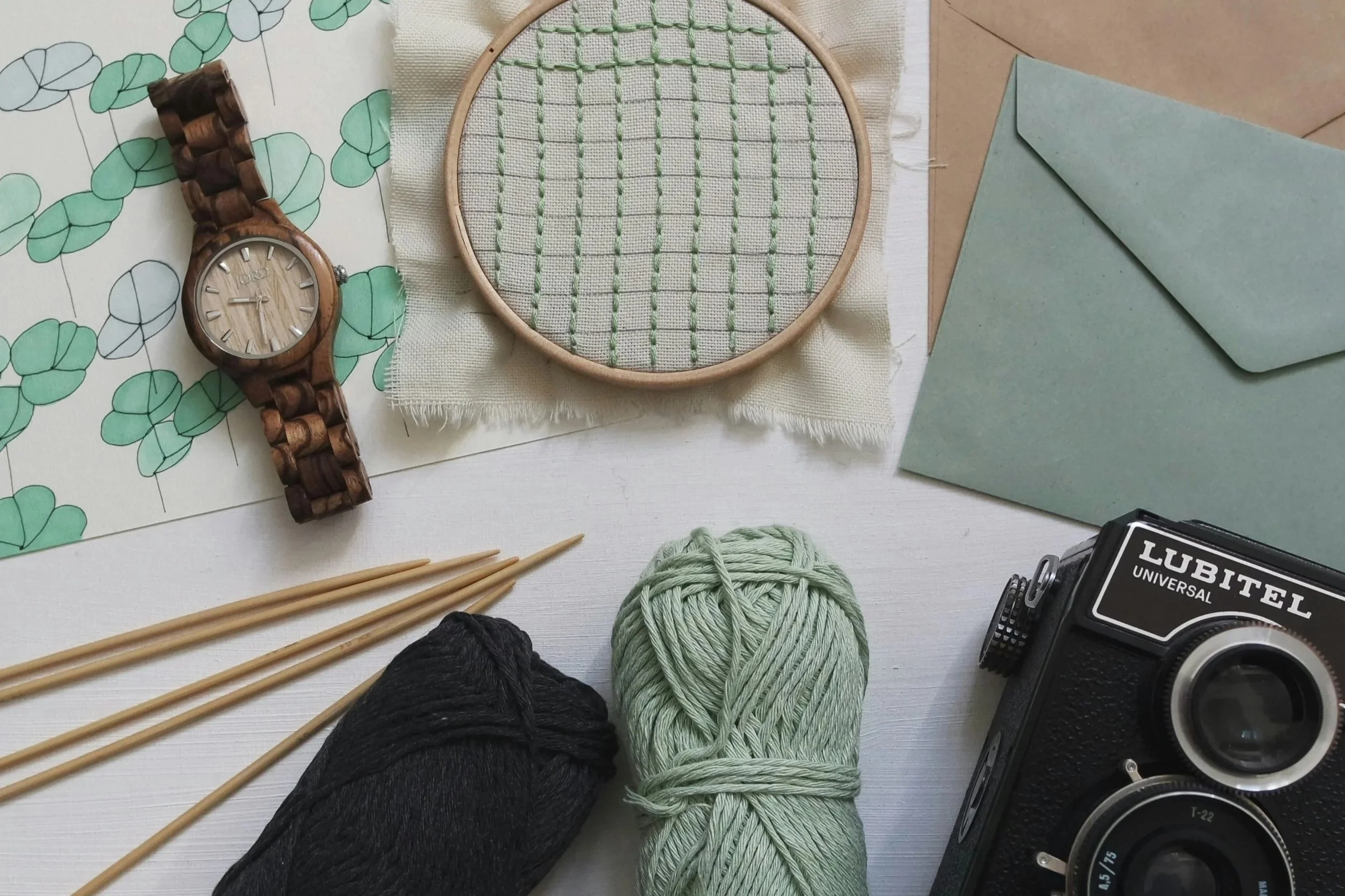
Knitting, Crocheting, and Embroidery: These crafts are all about rhythm and repetition. The soothing motion of knitting or crocheting can help clear the mind and promote relaxation.
Baking and Preserving: Baking bread, cookies, or even preserving fruits and vegetables offers a sense of accomplishment while focusing on the sensory experience of mixing, kneading, and smelling delicious creations.
Gardening and Birdwatching: Connecting with nature through gardening or observing birds can be incredibly grounding, reducing stress and fostering a sense of tranquility.
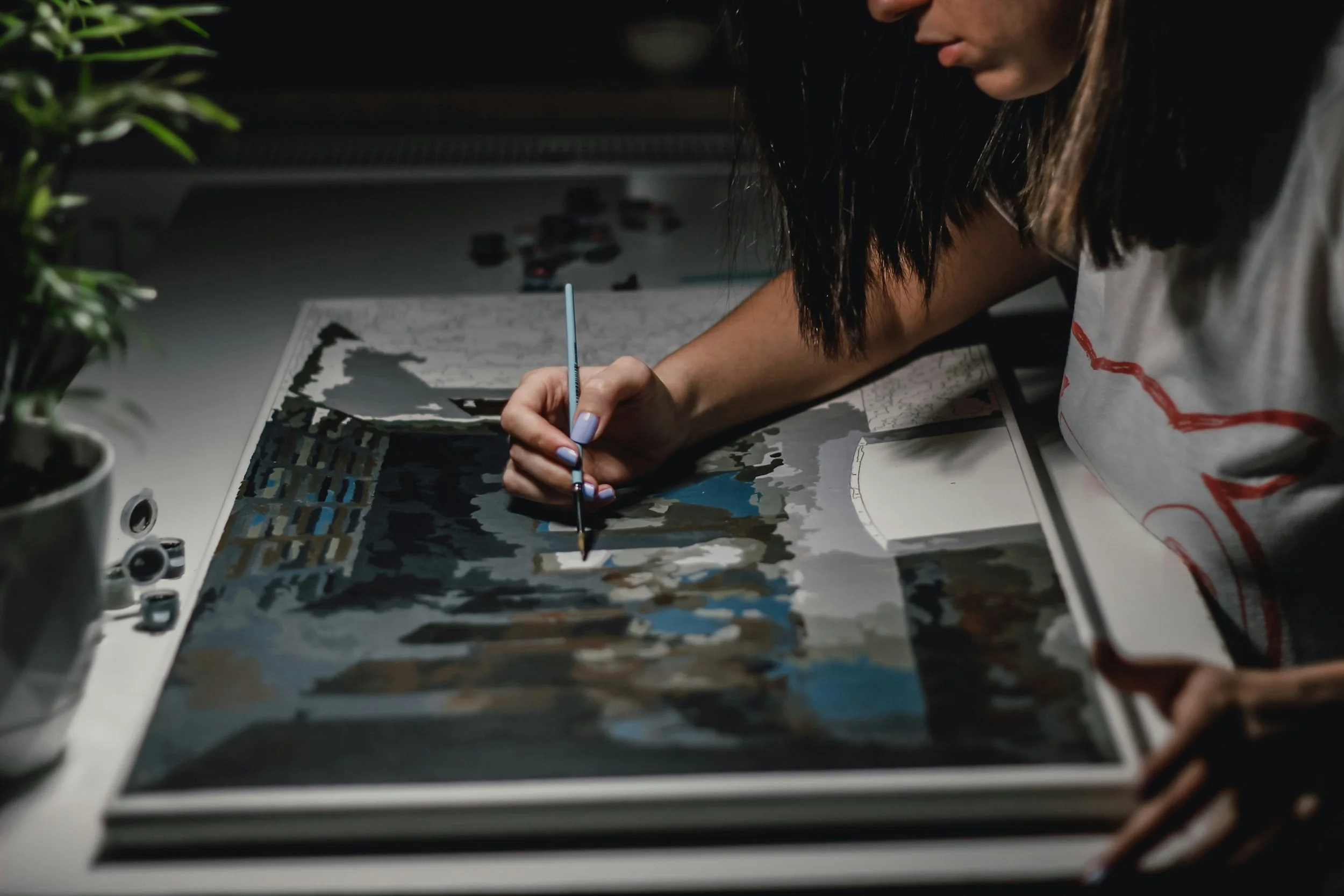
Puzzles and Coloring: These quiet, meditative activities provide an opportunity to focus on the present moment, calming your thoughts while stimulating cognitive function.
Painting, Candle-Making, and Journaling: These creative outlets encourage expression and connection to the self, whether you’re capturing your thoughts on paper or creating a work of art with your hands.


Mental Health Benefits of Slow Hobbies
Engaging in mindful, hands-on activities offers a wide range of emotional and psychological benefits.
A study published in Frontiers in Public Health found that creative hobbies, like knitting or painting, can help reduce anxiety and improve mood.
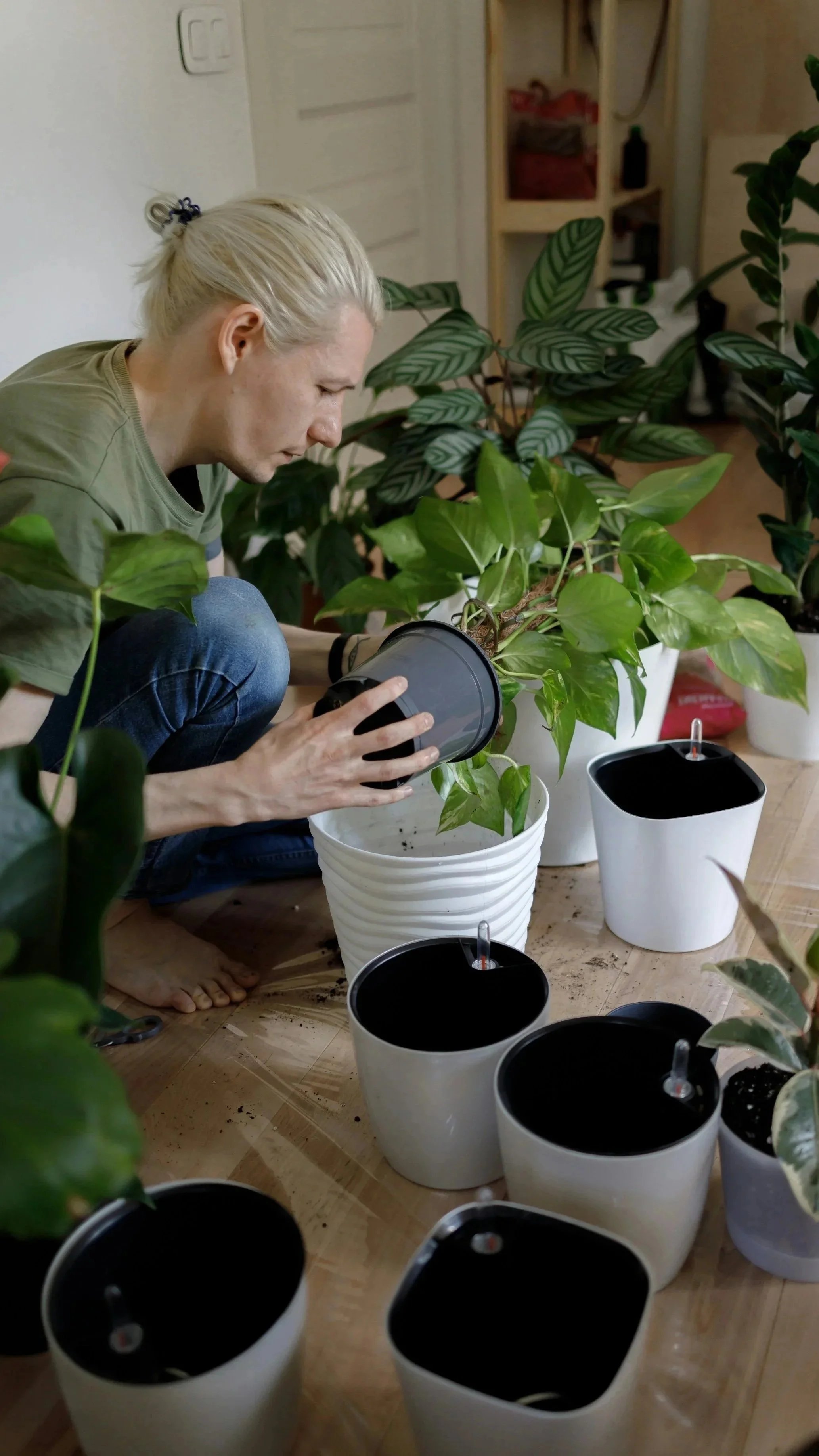
Here are just a few ways these activities can benefit your mental health:
Promote Mindfulness and Flow
These hobbies draw your attention away from worry and into the present moment. Working a jigsaw puzzle, for example, can help you enter a state of “flow,” where you become so immersed in the activity that time seems to disappear. This focus can help reduce stress and promote a sense of calm.Calm the Nervous System
Tactile activities help us relax and recover from stress. For example, knitting can activate the parasympathetic nervous system, which helps to promote relaxation.Ease Perfectionism
You may pull a slightly lopsided loaf of bread from the oven, but the emphasis is on enjoying the process, not achieving flawless results. These hobbies encourage us to embrace imperfection, which may help to ease the pressure we put on ourselves in other parts of our lives, as well.Boost Cognitive Health and Joy
Engaging in hands-on activities stimulates cognitive function. The concentration required for activities like puzzles, coloring, or knitting can improve memory, focus, and problem-solving skills. Plus, the act of creating something with your hands can bring a deep sense of joy and satisfaction.Encourage Connection
Many slow hobbies, like baking or gardening, offer opportunities for social connection. Whether you’re swapping recipes with a friend or sharing your gardening tips, these activities foster a sense of community and help strengthen bonds with others.
Is a Slow-Living Hobby Right for You? Try One Today
Incorporating mindful, hands-on hobbies into your life can be a powerful tool for emotional regulation, grounding, and self-care. These simple activities can help you reconnect with the present moment, reduce stress, and encourage a healthier mindset. Plus, you don’t need to be a master crafter or spend a lot of money to get started.
Remember, these hobbies aren’t meant to add another task to your to-do list. They’re about creating space for calm and joy in your day. Whether you have five minutes or an hour, take the time to explore a hobby that brings you peace.
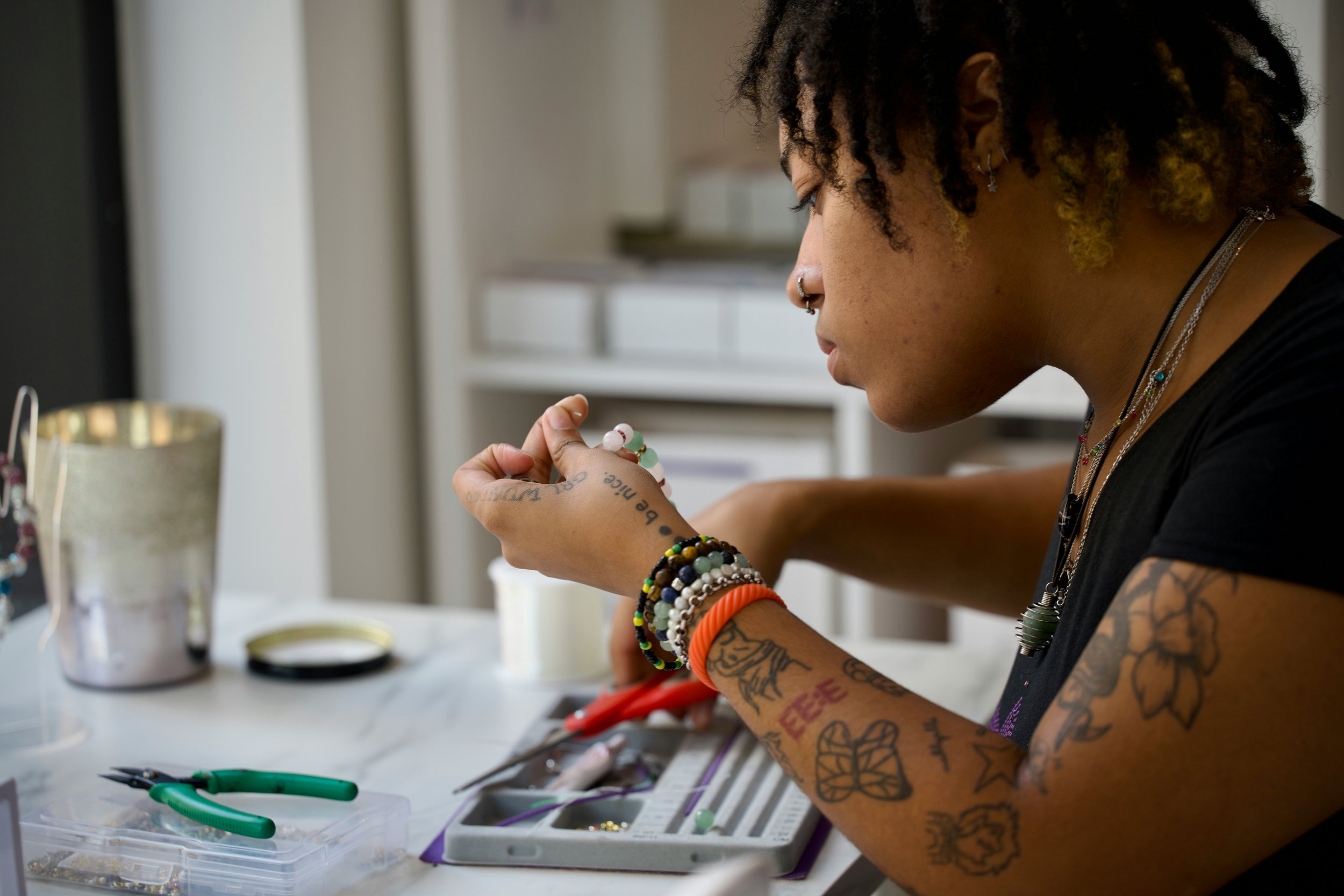
Here's Where To Start
If you’re looking to integrate mindful self-care into your life, Building Resilience Counseling Services is here to help. Your therapist can listen and help you identify hobbies or activities that support your long-term mental health goals.
We offer free consultations to support you in finding the balance and well-being you deserve. Schedule your free consultation here.
Interested in learning more? Sign up for a free 15-minute consultation here.